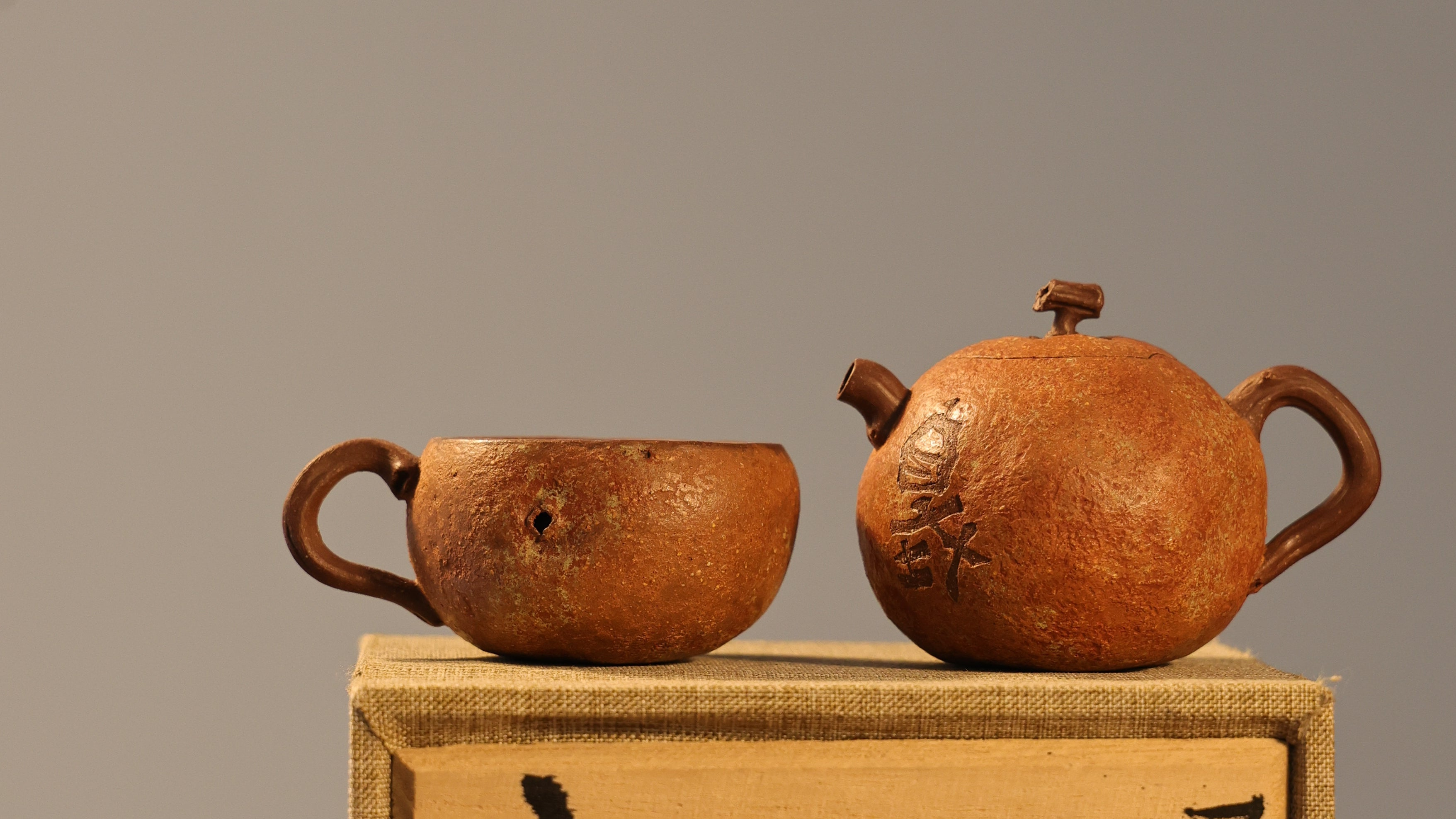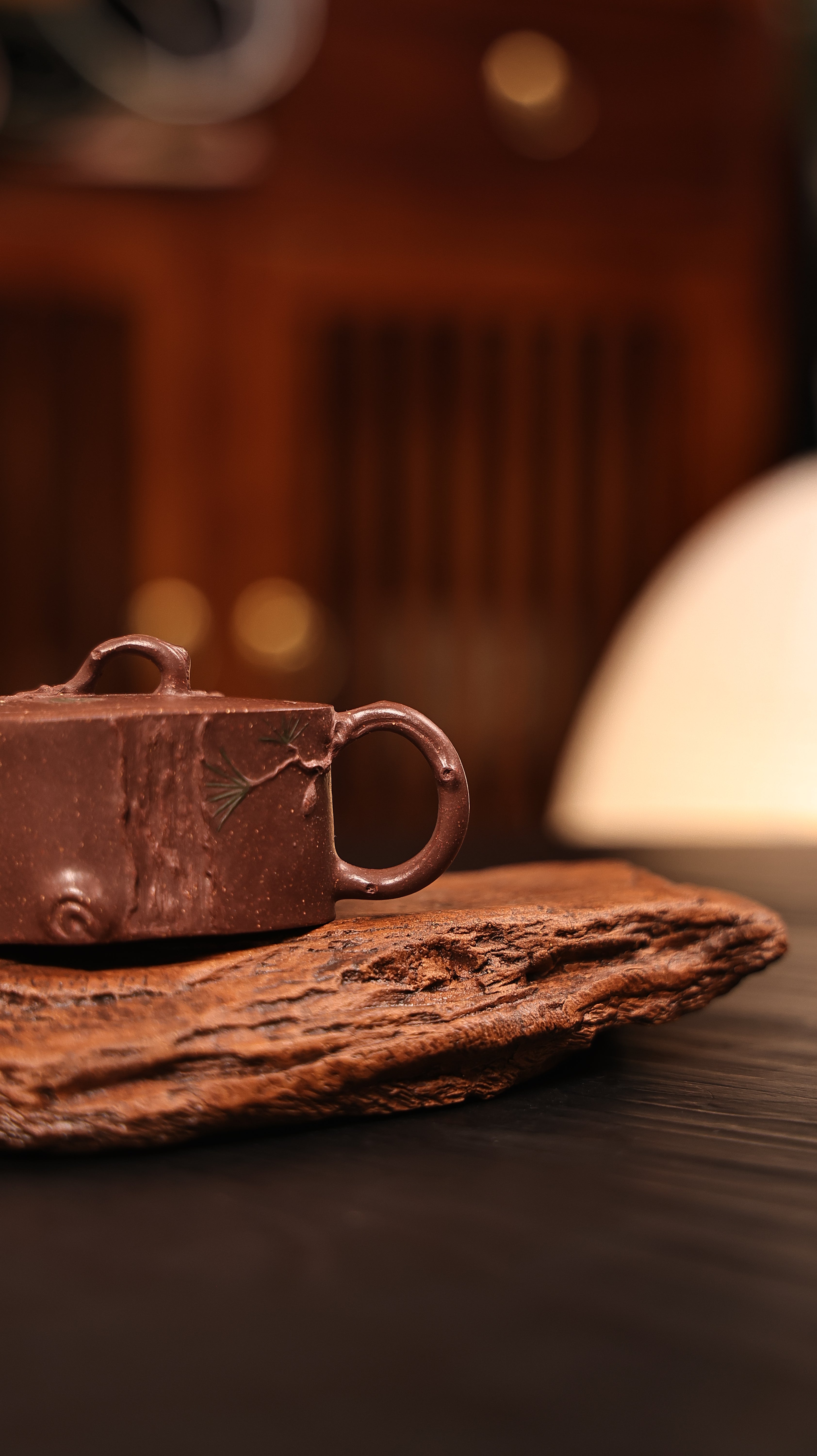
Ages of lovers have craved the exceptional attraction of Yixing Zisha kettles. Hailing in the modest town of Yixing, the homeland, these amphorae are fabricated from a unique and quarried purple clay famous for its extraordinary thermal attributes and capacity to improve the flavor of potions. Other than their serviceable asset, Zisha teapots express a extensive historical tradition, rendering them considerably esteemed and a legitimate jewel for any serious teapot enthusiast.
Surveying Yixing Containers
Authentic teapots exhibit a remarkable unification of history and masterful craftsmanship. Emerging in Yixing, Jiangsu Province of China, their narrative commences in the Ming Dynasty, although traces suggest earlier iterations. The distinctive burgundy clay, called Zisha, found solely in the Yixing region, is the paramount component, contributing to the pots' remarkable heat stability and the manner they influence the notes of tea. Periods of potters have perfected techniques—often conveyed through families—including forming the clay, applying sophisticated embellishments, and firing the pots at regulated temperatures.- Traditionally, Yixing teapots were often beautified with simple designs.
- Over time, more ornate carvings and decorative motifs became common.
- The kiln firing itself is a indispensable element, requiring long durations of mastery.
Collecting Zisha Teapots: Vital Considerations
Undertaking a quest to secure Zisha teapots can be enjoyable, but it’s imperative to comprehend what to consider. Authenticity is key; focus on the clay’s natural tint, a understated reddish-brown is usual. Examine the consistency; genuine Zisha has a unique tactile sensation, often characterized as slightly bumpy. The design should be well-proportioned and consistent with classic styles, while impressions, if present, require painstaking examination for authenticity. Don’t resist to consult with savvy experts or recognized databases – their insight is indispensable.
Eastern Pots: Examining the Practice of Yixing Zisha Clay
Generations have seen Yixing Ming Clay teapots maintain a significant role in Chinese heritage. These skillfully produced pots, sourced solely from the territory of Yixing, are well-known for their peculiar complexion, texture, and their ability to enhance the taste of beverages. A multitude of collectors strive for antique Yixing teapots, admiring them extensively not only for their aesthetic charm, but also for the past they embody.
Yixing Zisha Teapots: A Top Kinds and Their Attributes
Yixing Pottery teapots, sourced from the authentic territory of Yixing, the country, are esteemed for their singular clay and excellent brewing powers. Amongst the several Zisha types, the kinds that are highly valued include Qingtian. Binzhou, known for its bold purple shade and sleek texture, delivers a light flavor. Duan Ni species, recognizable by its auburn color and mildly grainy feel, is considered to enhance tea’s weight. Lastly, Zhuni Zisha boasts an peculiar vermilion tone and can deliver a mild nuance. Each kind offers a individual experience, bringing them exceptionally desirable for beverage enthusiasts.
Perfecting Unique Earthenware Vessel
To unlock the wonder of your Yixing container, learning the correct technique is essential. These clay pitchers, celebrated for their filtering ability, will progressively absorb the quality of the tea you make within them. Begin by rinsing the urn thoroughly with heated water. Then, use only high-quality unpacked leaf tea, as lower quality options can affect the clay’s delicate qualities. Always permit the leaves to expand completely, and remember that with each preparation, your Yixing vessel will become perpetually distinct.
Protecting Your Rare Zisha Heirloom
Proper management for your Zisha pot is fundamental to safeguarding its character and esteem. Zisha clay, known for its unique tinge and feel, requires precise handling. Never use strong formulas, as these can affect the film. After every infusion, rinse the pitcher with tepid water and allow it to evacuate moisture completely.
- Refrain from soaking the pitcher for extended periods.
- Sometimes use a soft towel to dust the exterior.
- Consider applying a thin layer of food-grade lubricant inside the urn after drying, which can prevent staining.
A Beginner's Guide to Yixing Containers
Yixing pitchers, originating from the Yixing locale in Jiangsu Province, inside China, are celebrated for their distinctive qualities. Formed from the unique purple element known as Zisha, these pots are prized by infusion enthusiasts worldwide. This primer will plainly explain the fundamentals – covering forms of Zisha composite, popular shapes, and vital care suggestions. Understanding the roots of Yixing teapots can deepen your appreciation for this valued example of Han tradition.
Art of Mandarin Containers: Showcasing Zisha from the Yixing region
Zisha earth from this city of Yixing represents the culmination of Asian teapot design, boasting a special fusion of unprocessed beauty and effective artistry. These famous pieces are honored for their saturated color palettes, often spanning dark purples and brown hues to soft greys and light beiges. The distinct mineral composition of the native Zisha material imparts a defining texture and yields a desirable aroma that heightens the total brew experience, rendering them extremely cherished collectibles and key components of any serious custom.