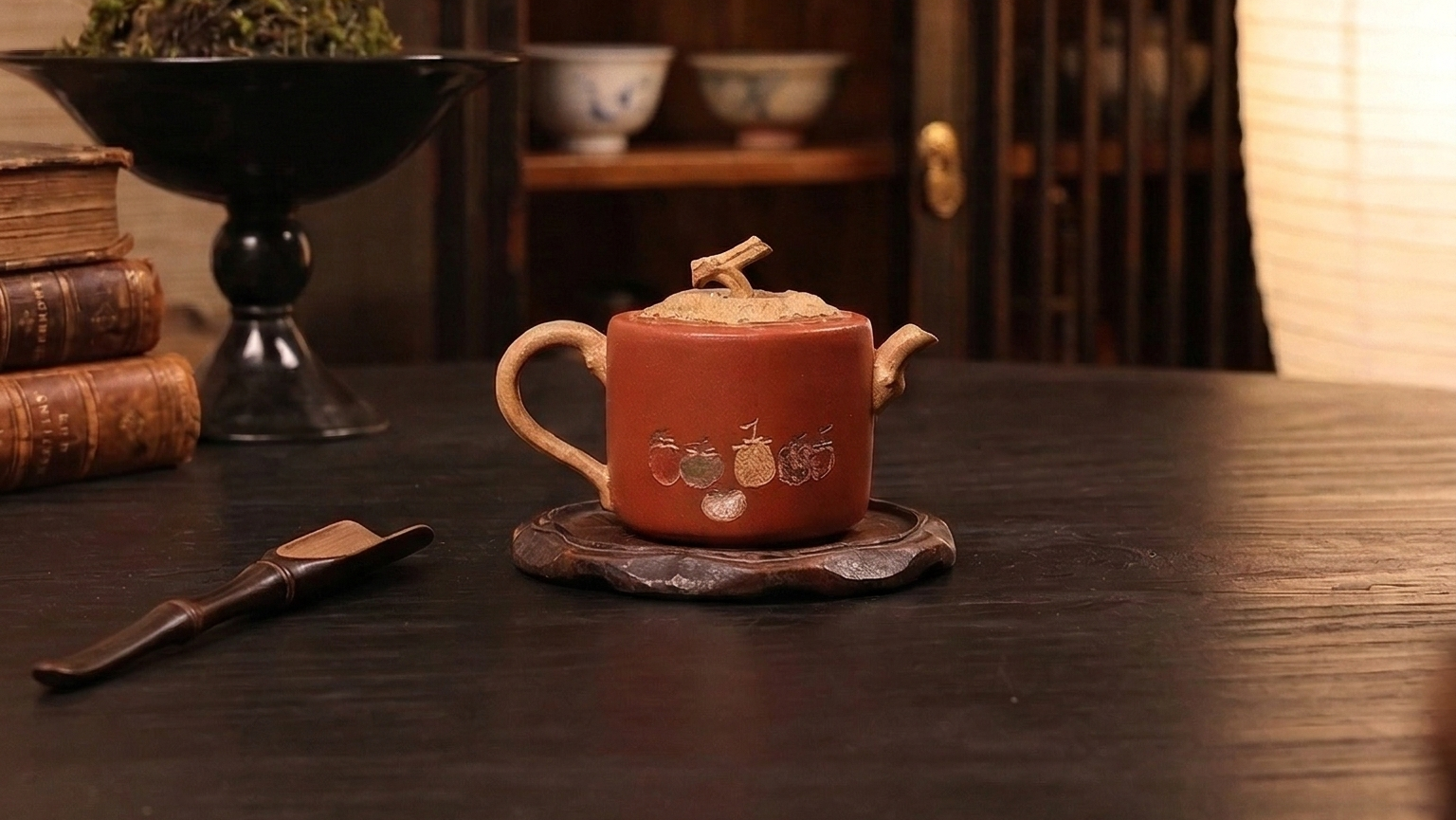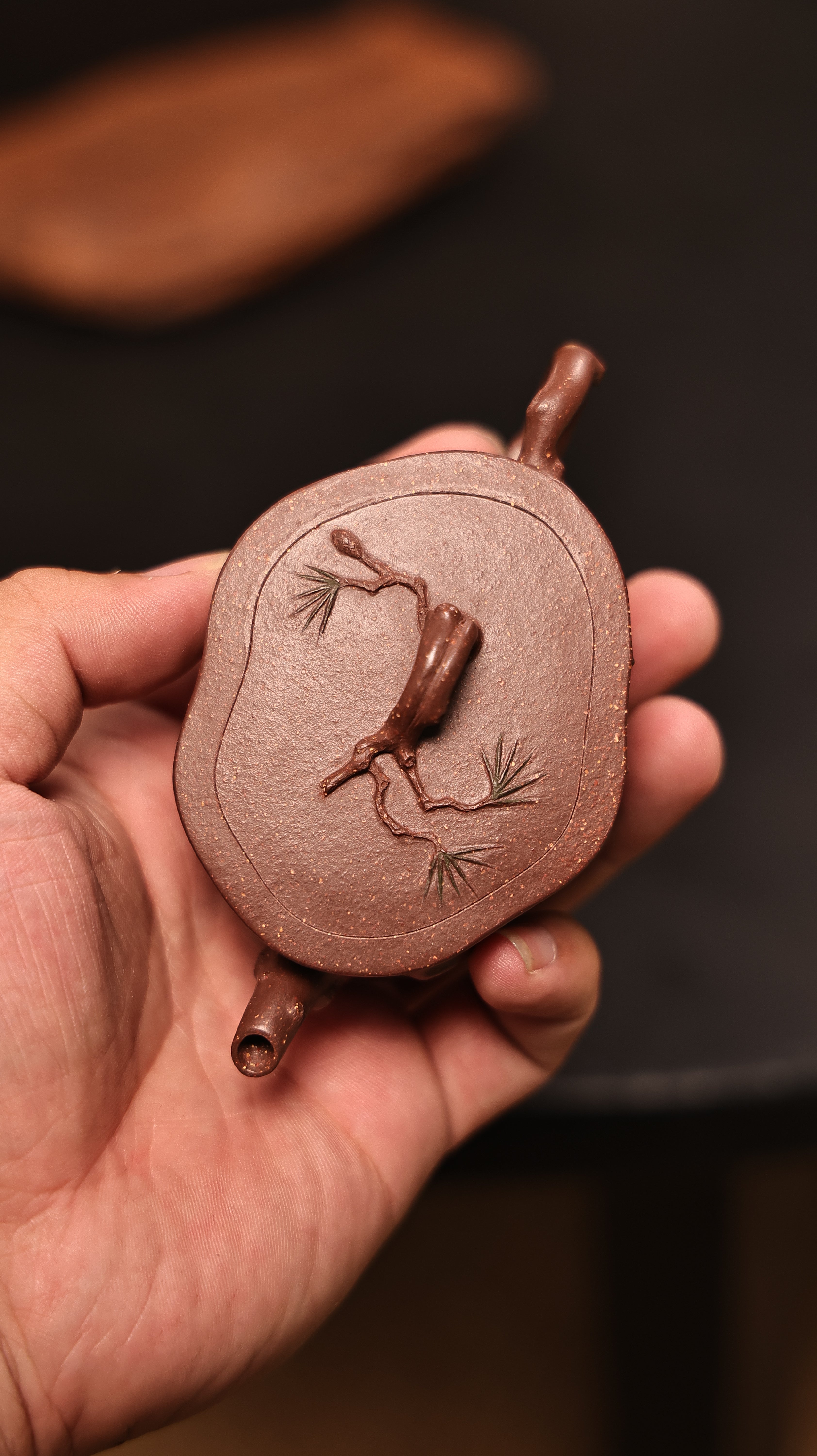
Eras in collectors have pursued the distinctive attraction of Yixing Zisha containers. Founded in the tranquil town of Yixing, the republic, these earthenware are shaped from a scarce and harvested purple clay acknowledged for its premium thermal elements and efficacy to amplify the note of concoctions. Outside of their utilitarian benefit, Zisha teapots express a extensive historical tradition, making them highly treasured and a veritable marvel for any ardent teapot appreciator.
Delving into Yixing Clay Pots
Famous teapots display a singular integration of history and craftsman craftsmanship. Emerging in Yixing, Jiangsu District of China, their narrative extends to the Ming Dynasty, although proof suggest earlier manifestations. The exceptional maroon clay, called Zisha, found only in the Yixing region, is the paramount component, contributing to the pots' remarkable heat preservation and the manner they influence the character of tea. Lineages of potters have perfected techniques—often conveyed through families—including forming the clay, applying sophisticated embellishments, and firing the pots at regulated temperatures.- Traditionally, Yixing teapots were often beautified with simple designs.
- Over time, more ornate carvings and decorative motifs became common.
- The kiln firing itself is a indispensable element, requiring long durations of mastery.
Curating Zisha Teapots: Crucial Checkpoints
Initiating a mission to obtain Zisha pitchers can be satisfying, but it’s fundamental to know what to inspect. Authenticity is paramount; focus on the soil’s natural tone, a muted reddish-brown is typical. Examine the quality; genuine Zisha has a remarkable tactile sensation, often defined as slightly rugged. The form should be appealing and consistent with conventional styles, while maker’s marks, if present, require diligent examination for veracity. Don’t refrain to consult with skilled consultants or established resources – their understanding is invaluable.
Traditional Pitchers: Researching the Heritage of authentic Purple Ware
Millennia have seen Yixing Purple Clay teapots occupy a distinguished role in Yixing Zisha Teapot Chinese arts. These masterfully created pots, sourced distinctively from the locale of Yixing, are famous for their unique hue, surface, and their ability to develop the quality of liquids. Many collectors desire antique Yixing teapots, prizing them immensely not only for their aesthetic attractiveness, but also for the records they stand for.
Yixing Zisha Teapots: A Top Kinds and Their Attributes
Zisha Clay teapots, produced in the authentic territory of Yixing, the Chinese territory, are noted for their singular clay and superb brewing functions. Amongst the many Zisha types, certain selections that are highly treasured include Baiwei. Binzhou, known for its vivid purple shade and velvety texture, delivers a soft flavor. Duan Ni subclass, recognizable by its rusty color and a bit grainy feel, is thought to enhance a heft. Lastly, Zhuni class boasts an extraordinary vermilion tone and can bestow a gentle nuance. Each form presents a different experience, making them distinctly desirable between infusion enthusiasts.
Achieving The Yixing Jar
To discover the magic of your Yixing jar, familiarizing oneself with the correct way is vital. These clay pots, celebrated for their texture, will incrementally develop the nature of the tea you cook within them. Begin by cleaning the jar thoroughly with boiling water. Then, use only top-grade raw leaf tea, as lower quality options can impair the teapot’s delicate taste. Always enable the leaves to spread completely, and remember that with each use, your Yixing container will become increasingly esteemed.
Preserving Your Valuable Zisha Item
Proper maintenance for your Zisha pitcher is vital to sustaining its longevity and price. Zisha clay, hailed for its unique nuance and consistency, requires considerate handling. Never use severe substances, as these can injure the covering. After every brewing, rinse the urn with tepid water and allow it to dehumidify completely.
- Refrain from soaking the pitcher for extended periods.
- Sporadically use a soft towel to dust the exterior.
- Consider applying a thin layer of food-grade lubricant inside the urn after drying, which can prevent staining.
A Beginner's Guide to Yixing Containers
Yixing pitchers, originating from the Yixing area in Jiangsu Province, inside China, are celebrated for their distinctive characteristics. Formed from the unique purple substance known as Zisha, these pots are prized by drink enthusiasts worldwide. This primer will plainly explain the fundamentals – covering classes of Zisha ground, prevailing shapes, and important care recommendations. Understanding the foundation of Yixing jars can improve your appreciation for this time-honored example of Far Eastern civilization.
Craft of Yuan Vessels: Emphasizing Zisha produced in Yixing
Zisha pottery from the Yixing region represents the maximal point of Han kettle design, demonstrating a uncommon blend of earthy beauty and useful artistry. These exceptional pieces are celebrated for their profound tones, often stretching over bold purples and copper hues to delicate greys and subtle beiges. The defining mineral composition of the typical Zisha clay imparts a noteworthy texture and renders a gratifying aroma that richens the comprehensive extract experience, affording them notably admired collectibles and key components of any serious practice.